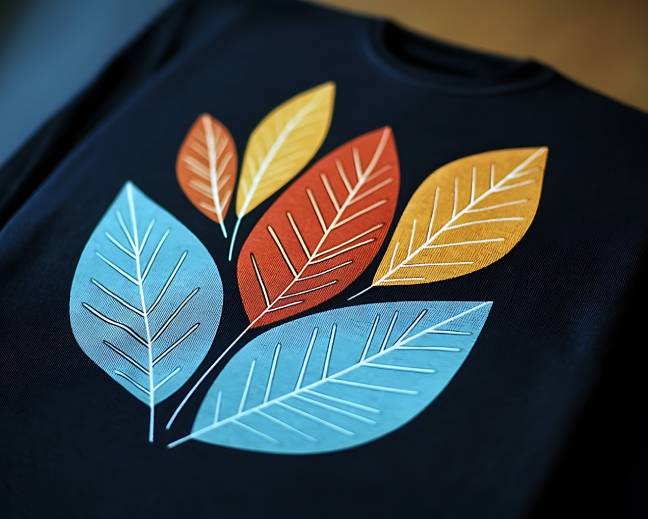
Textile fashion trends are constantly evolving, and one printing technique that continues to dominate premium garment collections is Puff Printing. From luxury streetwear and oversized hoodies to sportswear and fashion branding, puff printing has become one of the most popular textile screen printing effects in the modern apparel industry.
Its raised three-dimensional appearance creates a bold visual impact while adding texture and uniqueness to garments. As fashion brands increasingly focus on premium finishes and creative printing effects, puff printing is becoming a preferred choice for designers and garment manufacturers worldwide.
At Karan Texchem, advanced textile printing chemicals and specialty fashion printing systems help textile printers achieve high-quality puff printing effects with excellent durability, softness, and visual appeal.
In this article, we explore how puff printing works, why it is trending in modern fashion, and how textile printers can achieve superior puff printing results.
What is Puff Printing?
Puff printing is a special textile screen printing technique that creates a raised, expanded print surface after heat curing.
Unlike ordinary flat prints, puff printing produces a three-dimensional effect where the printed design expands upward during the curing process.
The effect is achieved using specially formulated puff additives or puff binders that react to heat and expand after printing.
The final result gives garments:
- Raised texture
- 3D appearance
- Premium fashion aesthetics
- Enhanced logo visibility
- Unique tactile feel
Puff printing is widely used in:
- Streetwear
- Hoodies
- Sweatshirts
- Fashion t-shirts
- Sportswear
- Kidswear
- Premium branding garments
Why Puff Printing is Trending in Fashion Industry
Modern fashion is increasingly moving toward textured and visually distinctive garments.
Consumers today prefer apparel that offers:
- Unique appearance
- Luxury aesthetics
- Premium feel
- Creative surface effects
Puff printing perfectly fits these trends because it creates bold and stylish garment designs that stand out immediately.
Global fashion brands are actively using puff effects for:
- Oversized typography
- Raised logos
- Fashion graphics
- Minimalist branding
- Luxury streetwear collections
The combination of visual depth and soft texture makes puff printing highly attractive in premium apparel manufacturing.
How Puff Printing Works
Step 1: Preparation of Puff Printing Paste
The process begins with preparing the puff printing formulation.
The printing paste usually contains:
- Pigment color
- Binder system
- Puff additive or puff agent
- Thickener
- Softener
- Printing auxiliaries
The puff additive is the key component responsible for the expansion effect during curing.
Modern puff systems are carefully balanced to provide:
- Controlled expansion
- Good softness
- Excellent wash durability
- Crack resistance
- Smooth surface appearance
Step 2: Screen Printing Process
Once the puff printing paste is prepared, it is applied to the fabric using standard textile screen printing methods.
The amount of puff effect depends on several factors:
- Mesh selection
- Print deposit thickness
- Squeegee pressure
- Printing speed
- Puff formulation
Generally, thicker ink deposits create stronger puff effects.
Printers often use lower mesh counts to allow higher ink deposition for better expansion results.
Step 3: Drying and Heat Curing
After printing, the garment passes through a curing process.
This is where the puff effect actually develops.
Under controlled heat:
- The puff additive expands
- The print surface rises
- The design becomes three-dimensional
Proper curing temperature is extremely important because:
- Under-curing reduces puff expansion
- Over-curing may damage the print
- Uneven heat affects surface consistency
The curing stage determines the final appearance and durability of the puff print.
Factors Affecting Puff Printing Quality
1. Mesh Selection
Lower mesh screens usually provide better puff effects because they deposit more printing paste onto the fabric surface.
Choosing the correct mesh is essential for achieving:
- Proper expansion
- Sharp print edges
- Consistent surface texture
2. Fabric Type
Puff printing performs differently on various fabrics.
Commonly used fabrics include:
- Cotton
- Cotton blends
- Fleece
- Hosiery fabrics
- Sweatshirt materials
Smooth and stable fabrics generally produce better puff definition.
3. Curing Temperature
Temperature control is critical in puff printing.
Incorrect curing can lead to:
- Flat prints
- Cracking
- Uneven expansion
- Reduced wash fastness
Modern puff systems are designed for stable and controlled expansion during curing.
4. Binder Quality
The quality of the binder significantly affects:
- Softness
- Flexibility
- Wash durability
- Crack resistance
Advanced binders help puff prints remain durable even after repeated washing and stretching.
Popular Puff Printing Applications in 2026
Puff printing is expected to remain one of the biggest textile fashion trends in 2026.
Popular applications include:
- Streetwear Fashion
- Luxury Hoodies
- Sportswear Branding
- Kidswear
- Fashion Labels
Advantages of Puff Printing
1. Premium Appearance
Puff printing instantly enhances garment value by creating luxury visual texture.
2. Strong Visual Impact
Raised designs attract attention and improve branding visibility.
3. Fashion Versatility
- Minimalist designs
- Bold graphics
- Typography
- Fashion logos
4. Soft Texture
Modern puff systems provide soft-touch raised surfaces rather than stiff plastic feel.
5. High Market Demand
Fashion brands continue to demand innovative texture-based printing effects.
Modern Trends in Puff Printing
- Soft puff systems
- Matte puff finishes
- High-density puff combinations
- Metallic puff effects
- Water-based puff printing
- Sustainable puff formulations
Common Puff Printing Problems and Solutions
| Problem |
Possible Cause |
Solution |
| Low Puff Height |
Low ink deposit |
Use lower mesh |
| Cracking |
Poor binder quality |
Improve binder system |
| Uneven Puff |
Improper curing |
Maintain consistent temperature |
| Hard Print Feel |
Excessive chemicals |
Optimize formulation |
| Poor Wash Fastness |
Incorrect curing |
Proper heat setting |
Proper formulation and process control are essential for achieving high-quality puff printing performance.
The Future of Puff Printing
As fashion moves toward premium textures and specialty garment effects, puff printing will continue to grow in popularity.
- Unique touch
- Visual depth
- Luxury aesthetics
- Fashion creativity
Conclusion
Puff printing has become one of the most important specialty effects in modern textile screen printing. Its ability to create raised, stylish, and visually impactful designs makes it highly popular across fashion, sportswear, and premium garment industries.
As fashion brands continue to seek innovative garment aesthetics and texture-based printing effects, puff printing remains a powerful tool for creating standout apparel collections.